Gisela Simon · 8 September 2026
Tracing the Evolution of Niche Online Platforms Through Infrastructure Adjustments
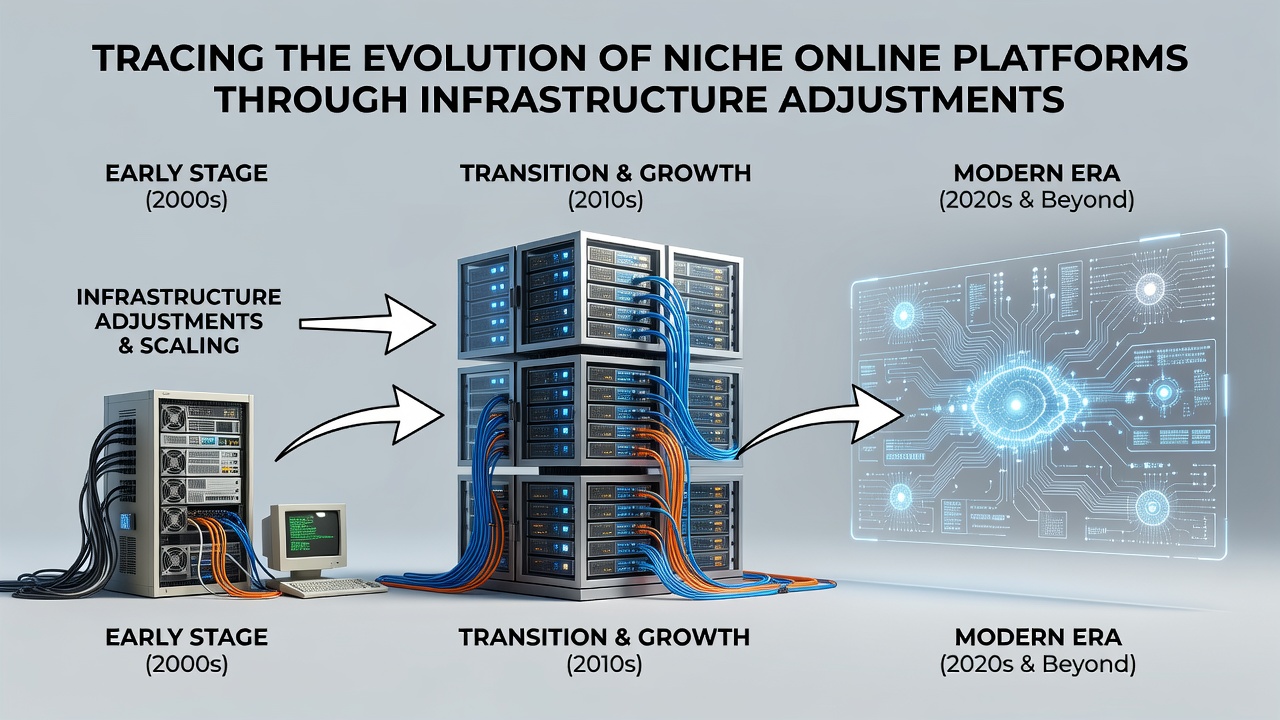
Early niche online platforms relied on basic shared hosting setups that supported small communities focused on specific interests such as vintage computing or regional gardening practices, and these systems often handled limited traffic through simple server configurations that operators adjusted manually when user numbers grew beyond initial expectations. Researchers documented how platform operators in the late 1990s shifted from static HTML pages on university servers to dynamic content management tools that required database integrations and regular uptime monitoring to maintain accessibility during peak discussion periods.
Initial Infrastructure Foundations
Observers note that many hobbyist forums began with minimal hardware resources hosted in residential basements or small data closets, where adjustments involved adding RAM modules or switching to basic virtual private servers when concurrent users exceeded a few dozen at once. Data from industry reports shows that these early changes centered on stabilizing connections through improved domain name system records and basic load balancing scripts that distributed requests across available machines. Those who managed these sites often experimented with open source software stacks to reduce costs while scaling storage for growing archives of user generated content.
Expansion Through Technical Upgrades
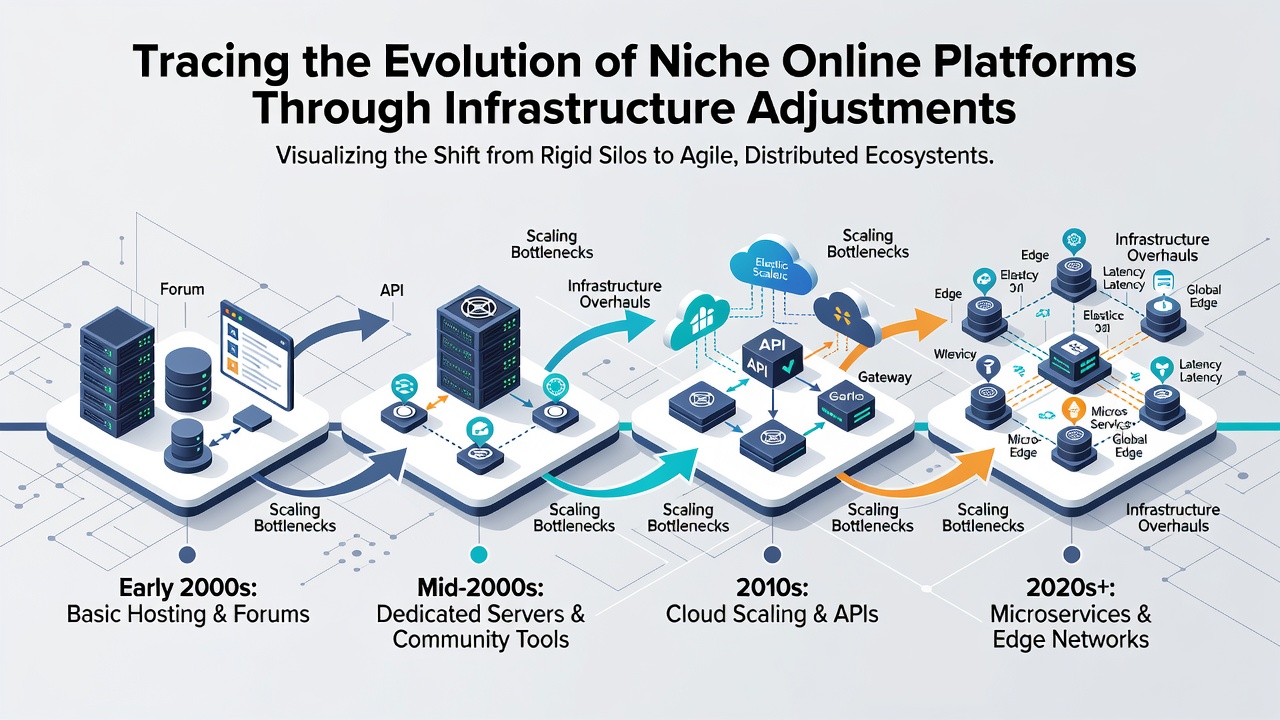
Platform administrators progressed to dedicated hosting environments in the early 2000s as niche audiences expanded, and this transition allowed for custom configurations that incorporated content delivery networks to serve media files faster across different geographic regions. Studies from academic institutions reveal that operators adjusted their setups by migrating databases to optimized structures that handled complex queries from active discussion threads without performance drops. What's interesting is how these adjustments frequently coincided with the adoption of modular architectures that separated frontend interfaces from backend processes, enabling smoother updates during periods of rapid community growth.
Take one researcher who examined forum records from that era and found that DNS modifications played a key role in directing traffic through multiple regional points of presence, which reduced latency for international participants in specialized hobby groups. Figures reveal that such changes supported steady increases in daily active users while maintaining search engine visibility through consistent site availability metrics.
Adaptations in the Cloud Era
By the 2010s operators increasingly turned to cloud based services that permitted elastic resource allocation, and this approach let niche platforms handle traffic spikes during events like annual conventions or product launches without overprovisioning hardware year round. According to information from the Federal Communications Commission infrastructure reports, many small scale sites incorporated virtual machine scaling rules that automatically adjusted compute capacity based on real time demand patterns. Experts observed that content management system migrations often accompanied these shifts, moving from legacy scripts to frameworks that supported plugin ecosystems for features like user authentication and threaded replies.
But here's the thing: these adjustments also involved refining caching layers and implementing content distribution strategies that stored popular threads closer to end users, which in turn supported better engagement rates among dispersed communities. Research indicates that platforms focused on topics such as independent music production or sustainable architecture benefited from these technical refinements as they attracted contributors from multiple continents.
Recent Developments and 2026 Outlook
Contemporary adjustments emphasize edge computing nodes and containerized deployments that allow rapid testing of new features across distributed environments, and data shows continued emphasis on security protocols that protect user data during these transitions. In September 2026 industry analyses project further integration of automated orchestration tools that respond to usage trends by reallocating bandwidth and storage in real time. Those who've tracked these patterns note that DNS adjustments now incorporate advanced anycast routing to maintain resilience against regional outages while preserving the specialized character of each platform.
One study revealed that operators who combined these infrastructure changes with regular performance audits achieved consistent uptime levels above 99.5 percent, which supported sustained growth in membership and content volume. Links to reports from the Australian Communications and Media Authority highlight similar patterns in regional niche sites that adapted their setups to comply with evolving connectivity standards.
Conclusion
The progression of niche online platforms demonstrates how targeted infrastructure modifications enable communities to expand while preserving their focused identities. Adjustments in hosting, content systems, and network routing continue to shape accessibility and reliability for these specialized spaces. Evidence from multiple sources confirms that systematic technical refinements remain central to supporting ongoing development in this sector.