
Carlo Koch · 20 October 2026
How User-Generated Content Cycles Shape Long-Term Discoverability in Specialized Professional Listing Platforms
Specialized professional listing platforms rely on cycles of user-generated content to maintain visibility across search systems and internal recommendation engines, and these patterns have become more pronounced by October 2026 as platforms refine their data handling practices. Content additions, revisions, and removals create ongoing signals that algorithms interpret when ranking individual entries within directories focused on fields such as architecture, engineering, and legal services.
Defining Content Cycles in Niche Directories
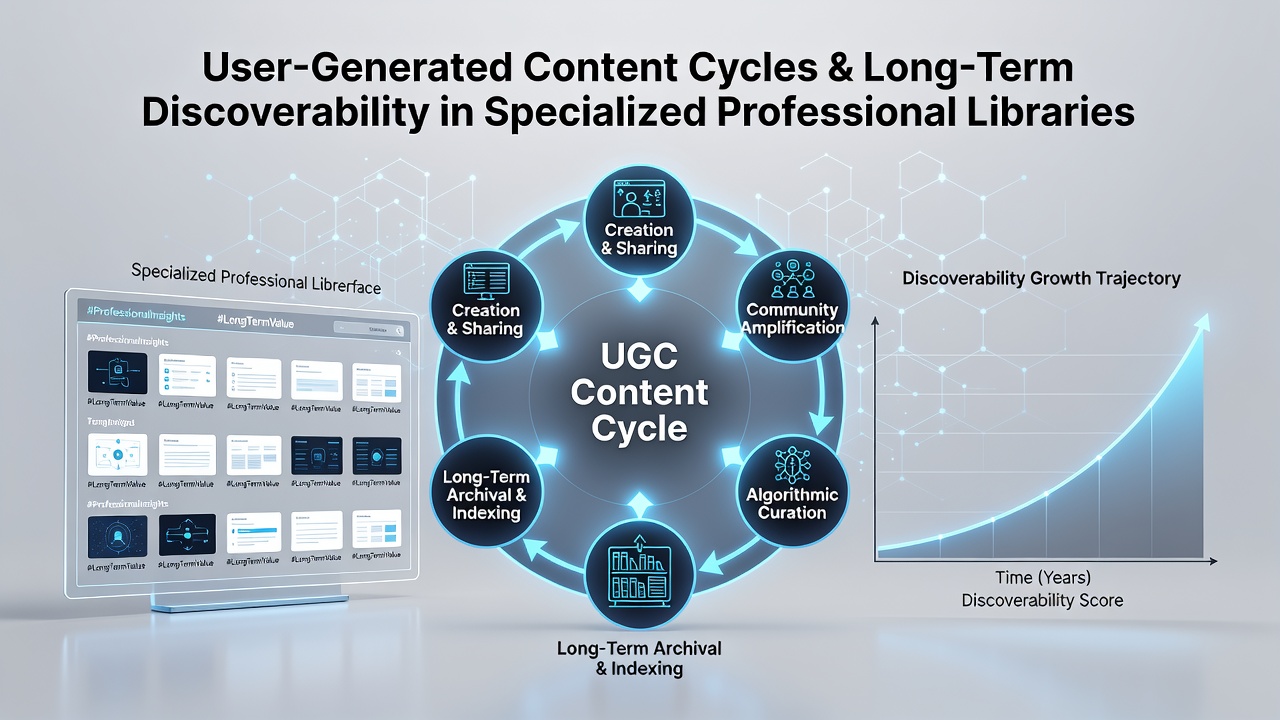
User-generated content enters these platforms through submissions from verified professionals, client reviews, project updates, and portfolio uploads, after which the material undergoes moderation before appearing live. Once published, the same entries receive further contributions over time, forming cycles where initial listings gain new details, ratings accumulate, and older information gets refreshed or archived. Platforms track these sequences because search functions weigh recency and volume when determining which profiles surface for queries.
Researchers at academic institutions have documented how consistent update patterns correlate with higher placement in directory results. One study from a Canadian university examined entries across multiple niche sites and found that profiles receiving quarterly additions maintained positions longer than static ones, even when initial quality scores were comparable.
Mechanisms Linking Cycles to Discoverability
Search systems within these platforms evaluate signals such as edit frequency, comment volume, and cross-references between related listings. When users add fresh details to an existing profile, the platform registers the change as a relevance indicator and may elevate that entry in subsequent queries. Conversely, entries left untouched for extended periods drop in priority as newer contributions from competitors take precedence in the ranking queue.
Data collected by industry monitoring tools shows that directories emphasizing professional categories experience measurable shifts in visibility tied directly to these cycles. Entries with sustained input over twelve months or more tend to accumulate internal links and external references that reinforce their position, while sporadic contributions produce uneven results.
Observed Patterns Across Platform Types
Specialized platforms handling listings for medical practitioners, for instance, demonstrate clear differences based on how often users supply case summaries and credential updates. Those with regular input maintain higher placement during peak search periods, whereas others see gradual decline once initial momentum fades. Similar observations appear in directories serving creative industries, where project uploads and peer endorsements drive ongoing exposure.
External analyses from research organizations such as the OECD Digital Economy Outlook have noted parallel trends in professional service platforms, highlighting how structured content renewal affects long-term indexing and retrieval rates. Figures from these reports indicate that directories incorporating user-driven refresh mechanisms retain higher average engagement levels across multi-year spans.
Platform Adjustments and Content Handling
Operators respond to these cycles by implementing features that encourage incremental contributions, including notification systems that prompt users to verify or expand listings at set intervals. Moderation teams review incoming material to ensure consistency, which in turn affects how quickly new information integrates into search indexes. Some platforms have introduced structured templates that guide users toward adding quantifiable details rather than generic statements, producing data points that algorithms process more effectively.
Observations from multiple sites reveal that entries tied to active user accounts sustain discoverability better than orphaned profiles, since ongoing account activity often coincides with content additions. This relationship holds across different professional categories and geographic regions where these directories operate.
Conclusion
Long-term discoverability in specialized professional listing platforms depends on the regularity and substance of user-generated content cycles, with platforms registering each addition and revision as part of their ranking processes. Data from ongoing monitoring and external reports continue to illustrate how sustained input patterns support placement stability, while interruptions in those cycles correspond with reduced visibility over extended periods. As platforms refine their systems through October 2026 and beyond, the connection between content renewal frequency and retrieval outcomes remains a central factor in directory performance.